
| What it means | A 10:1 mushroom extract ratio means 10 kg of raw mushroom were concentrated into 1 kg of finished extract. |
| What it signals | Concentration — how much starting material went in — not a guaranteed level of active compounds. |
| The catch | A big ratio built from weak, starchy raw material can still be low in beta-glucans. Ratio ≠ potency. |
| Read it with | Always pair the ratio with a stated beta-glucan percentage and a named fruiting-body source. |
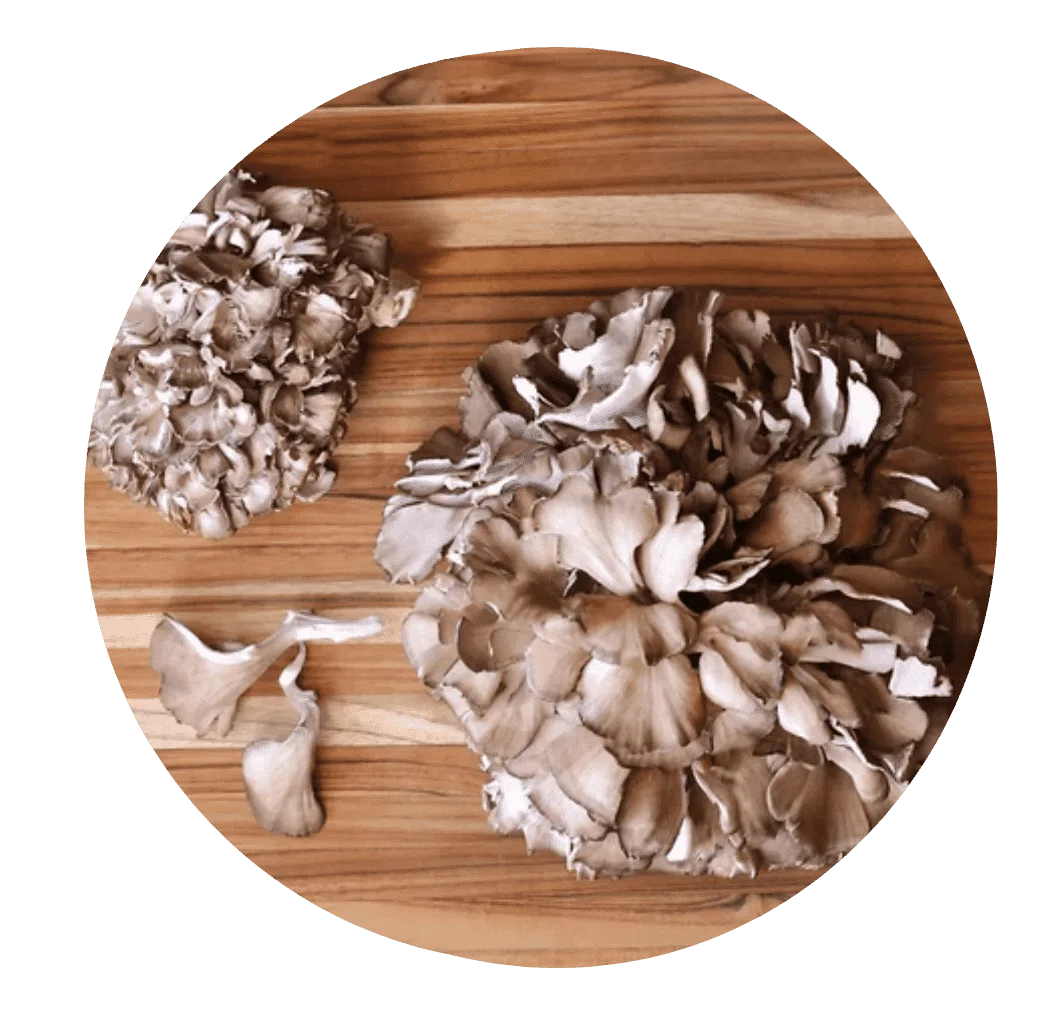
Scan a few mushroom supplement labels and you will keep bumping into numbers like 8:1, 10:1 or even 20:1. They look like a potency score — bigger must be stronger, right? Not quite. The mushroom extract ratio is one of the most misunderstood figures in the whole category. This guide explains exactly what a 10:1 extract ratio means, what it does not promise, and how to read it alongside the one number that actually tells you about strength.
An extract ratio is a simple statement about concentration. A 10:1 mushroom extract means that ten kilograms of raw mushroom were processed — usually simmered in hot water, sometimes with an alcohol step too — and reduced down to one kilogram of finished, dried extract powder. In other words, ten units of starting material in, one unit of concentrate out.
That is genuinely useful information. All else being equal, a 10:1 extract from a given mushroom is more concentrated than a 4:1 extract from the same source, because more raw material was packed into each gram. The ratio tells you how hard the raw mushroom was “boiled down.” This is also why an extract and a raw powder can never be compared by milligrams alone — a gram of 10:1 extract is a very different thing from a gram of plain dried mushroom.
Here is the part the marketing rarely mentions: the ratio says nothing about what was in the raw material to begin with, or which compounds survived the process. Concentration and potency are related but not identical.
So a well-made 8:1 fruiting-body extract standardised to a high beta-glucan level can easily outperform a flashy 10:1 made from poor material. The number on its own is a starting point, not a verdict.
If the ratio tells you how concentrated, the beta-glucan percentage tells you how much of the good stuff is really there. Beta-glucans are the fibre-like polysaccharides behind much of the functional-mushroom category’s traditional reputation, and a stated percentage — “standardised to 30% beta-glucans,” for example — is the most reliable single measure of quality. We cover the full story in what are beta-glucans in functional mushrooms.
The practical rule is to read the two figures together:
| Extract ratio (e.g. 10:1) | How much raw mushroom was concentrated into the extract. A concentration figure. |
| Beta-glucan % | How much verified active compound is in the finished extract. A content figure. |
| Best practice | Trust a product that states both — a sensible ratio and a standardised beta-glucan percentage. |
Beware the “polysaccharide” trick here too: a label may pair a big ratio with a big “polysaccharides” number that quietly includes starch. A separate beta-glucan figure is the honest one.
Mindoxa blends six functional mushrooms into a once-daily capsule with a clearly stated formula and a 60-day money-back guarantee — no ratio math required.
See Mindoxa Packages
Because a ratio is about concentration and not amount, it also cannot tell you your daily dose. A 10:1 extract inside a tiny 100 mg capsule can still be a small serving. To compare two products fairly, you need three things off the label:
Put those together with the servings-per-container and you can finally compare true cost-per-day rather than sticker price. This is exactly the kind of cross-check we walk through in how to read a mushroom supplement label, and it is why a slightly “lower” ratio can be the better buy once you see the whole picture. If you would rather skip the spreadsheet, you can compare the Mindoxa packages here.
There is no single magic number, because the right ratio depends on the mushroom and the method. Common, respectable extracts land anywhere from roughly 4:1 to 10:1 or higher. Instead of chasing the biggest figure, look for this combination:
A product that offers all four has nothing to hide behind a big ratio, and that is the real signal of quality.
A 10:1 ratio is a manufacturing statement: ten kilograms of raw material in, one kilogram of extract out. It says nothing about which compounds survived the process, and that is the whole problem with using it as a proxy for strength.
The compound that should be measured instead is the beta-glucan content. A 2021 review in Nutrients on edible mushrooms and beta-glucans explains why that class is the category’s active fraction, and a 2025 paper in Food Chemistry on the structure-function relationship of mushroom beta-glucans shows that even within beta-glucans, structure changes behaviour — so a percentage is informative in a way a ratio never is.
Real-world testing shows how far apart the label and the contents can drift. A 2025 comparative analysis of chaga supplements in the International Journal of Molecular Sciences found wide variation between products described in almost identical terms, and a 2024 review on label compliance for ingredient verification documents the same pattern across botanical supplements generally.
The practical rule: a ratio with no starting material named and no beta-glucan percentage beside it is a number you cannot check. Extraction method matters as much as ratio, which is why some of the strongest products state both — and it is the same discipline that separates a good chaga product from a poor one, as we cover in chaga mushroom benefits and its antioxidant compounds.
A 10:1 mushroom extract ratio simply means ten parts of raw mushroom were concentrated into one part of finished extract — a useful measure of concentration, but not a guarantee of strength. Potency depends on what went into the extract and which compounds came out, which is why the ratio should always be read next to a stated beta-glucan percentage, a fruiting-body source and evidence of testing. Treat the ratio as one line in the story, not the headline, and you will never again mistake a big number on the front of a jar for what is actually inside it. For the wider science, our explainer on the mushroom antioxidant ergothioneine and our overview of the six mushrooms in Mindoxa are good next reads.
A 10:1 ratio means ten kilograms of raw mushroom were processed down into one kilogram of finished extract. It describes how much starting material was concentrated, so a 10:1 extract is more concentrated than a 4:1 from the same source, but the ratio alone does not tell you the exact level of active compounds.
Not necessarily. A higher ratio means more raw material was concentrated, but potency depends on what was in that raw material and which compounds the extraction captured. A 10:1 extract from weak, starchy material can contain fewer beta-glucans than a well-made 8:1 from a quality fruiting body. Read the ratio alongside the beta-glucan percentage.
The extract ratio tells you how much raw mushroom went into the extract; the beta-glucan percentage tells you how much of the actual active compound is in the finished product. The ratio is about concentration, the percentage is about verified content, and the percentage is the more reliable measure of quality.
No. The ratio describes concentration, not the amount per capsule. To understand your daily amount you still need the milligrams of extract per serving and, ideally, the beta-glucan percentage. A high ratio in a tiny capsule can still be a small effective dose.
There is no single magic ratio. Common quality extracts fall anywhere from about 4:1 to 10:1 or higher depending on the mushroom and method. Rather than chasing the biggest number, look for a stated ratio paired with a standardised beta-glucan percentage and a named fruiting-body source.
The Mindoxa Research Team is a small group of nutrition writers, label analysts and wellness researchers who read the primary literature on functional mushrooms so you don't have to. We translate dense mycology and supplement-science papers into plain-English guides, and we update our articles as the evidence and the labels on the shelf change.
Everything we publish is independently written and fact-checked. We describe traditional and general use only — we do not give medical advice, and we always point you back to your own physician for anything specific to your health. Have a correction or a source we missed? Get in touch.
† These statements have not been evaluated by the FDA. This product is not intended to diagnose, treat, cure or prevent any disease. This article is for general information only and is not medical advice.