
| What it is | Ergothioneine is a naturally occurring, sulphur-containing amino acid that works as an antioxidant. Your body can’t make it — you get it from food. |
| Why it’s special | The body has a dedicated transporter (OCTN1) that actively carries it into cells and concentrates it where oxidative stress is highest. |
| Best source | Mushrooms are by far the richest dietary source — specialty types like oyster, shiitake and maitake lead the pack. |
| How to get it | Eat a variety of mushrooms regularly; a functional-mushroom supplement can add convenient daily support alongside food. |
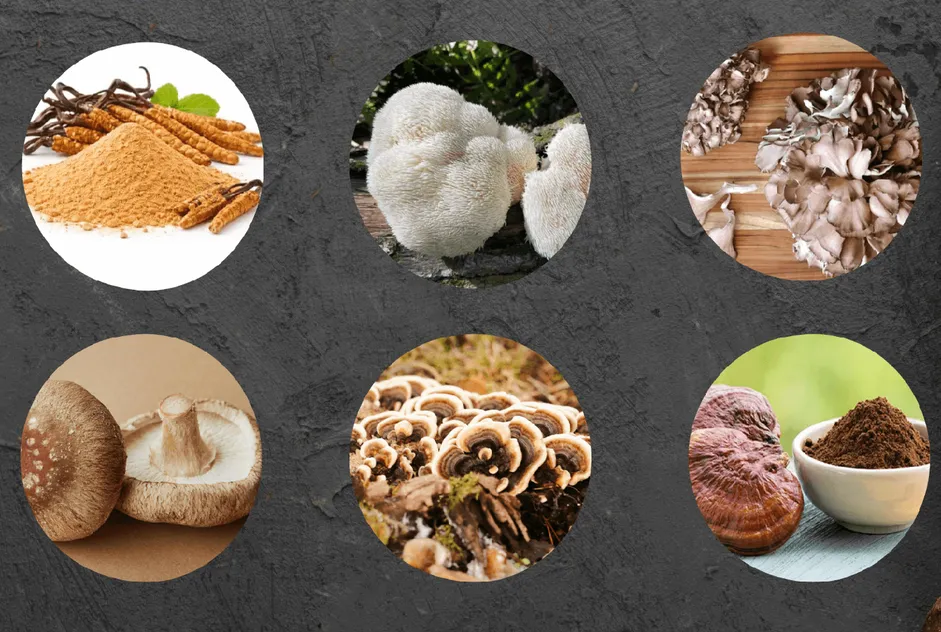
Most people know that mushrooms are good for you. Far fewer know why at the level of a single, remarkable molecule — one that your body goes to unusual lengths to hold on to. That molecule is ergothioneine, and it has quietly become one of the most talked-about compounds in nutrition science. This guide explains, in plain English, what ergothioneine is, the mechanism that makes it so intriguing, why mushrooms are effectively the only meaningful dietary source, and how to think about getting more of it — without hype and without medical overreach.
Ergothioneine (you will sometimes see it abbreviated as ERT or EGT) is a naturally occurring amino acid that contains sulphur and behaves as a powerful antioxidant — a compound that helps neutralise the reactive molecules produced as a normal by-product of using oxygen for energy. Antioxidants are a broad family, and the body makes some of its own. Ergothioneine is different in a way that has caught researchers’ attention: humans cannot synthesise it at all. Every bit of ergothioneine in your body came from something you ate.
That single fact raises an obvious question. If a nutrient is not essential, the body usually does not bother building special machinery to collect and keep it. Yet with ergothioneine, it does — which is exactly what makes the next part of the story so interesting.
Here is the detail that turned ergothioneine from a nutritional footnote into a genuine research topic. The human body has a dedicated transporter protein — OCTN1 (also written SLC22A4) — whose main job appears to be actively pulling ergothioneine out of the bloodstream and into cells. It then tends to concentrate ergothioneine in tissues and cells that face high levels of oxidative stress.
In biology, building a specialised transporter for a molecule is a strong hint that the molecule matters. You do not evolve a dedicated delivery system for something disposable. This is the core of the scientific case for ergothioneine: the body treats it not as a random dietary antioxidant, but as something worth actively seeking out, transporting and retaining. Because of this, some researchers — most notably in work popularised by the biochemist Bruce Ames — have proposed thinking of ergothioneine as a possible “longevity vitamin”: a nutrient that may not cause an obvious deficiency disease in the short term, but that could matter for long-term health.
It is important to be honest about where the science stands. The “longevity vitamin” label describes a hypothesis, not a settled fact, and much of the research is still developing. The responsible framing is simple: ergothioneine is a diet-derived antioxidant the body clearly values, and getting a steady supply from food is a sensible, low-risk thing to do.
Here is where the mushroom connection becomes central. Ergothioneine is made in nature almost exclusively by fungi and certain bacteria. Plants and animals generally cannot produce it — which means it enters the food chain mostly through fungi in the soil. The upshot for your plate is dramatic: mushrooms are by far the richest dietary source of ergothioneine, out of all reach of most other foods.
Not all mushrooms are equal, though. As a rough guide:
Because functional-mushroom blends concentrate several species at once, they are a naturally rich vehicle for ergothioneine alongside the other compounds mushrooms are prized for. That is one more reason the six-mushroom Mindoxa formula is built the way it is.
A common mix-up is to lump every “good thing” in a mushroom under one label. In reality, mushrooms are valued for more than one distinct compound, and ergothioneine and beta-glucans are a perfect example of two very different actives:
A whole mushroom — or a well-made extract — can supply both at once. If you want the full story on the other half of that pairing, our explainer on what beta-glucans in functional mushrooms actually are is the natural companion to this article. Together they explain why “just eat more mushrooms” is genuinely good advice, not a cliché.
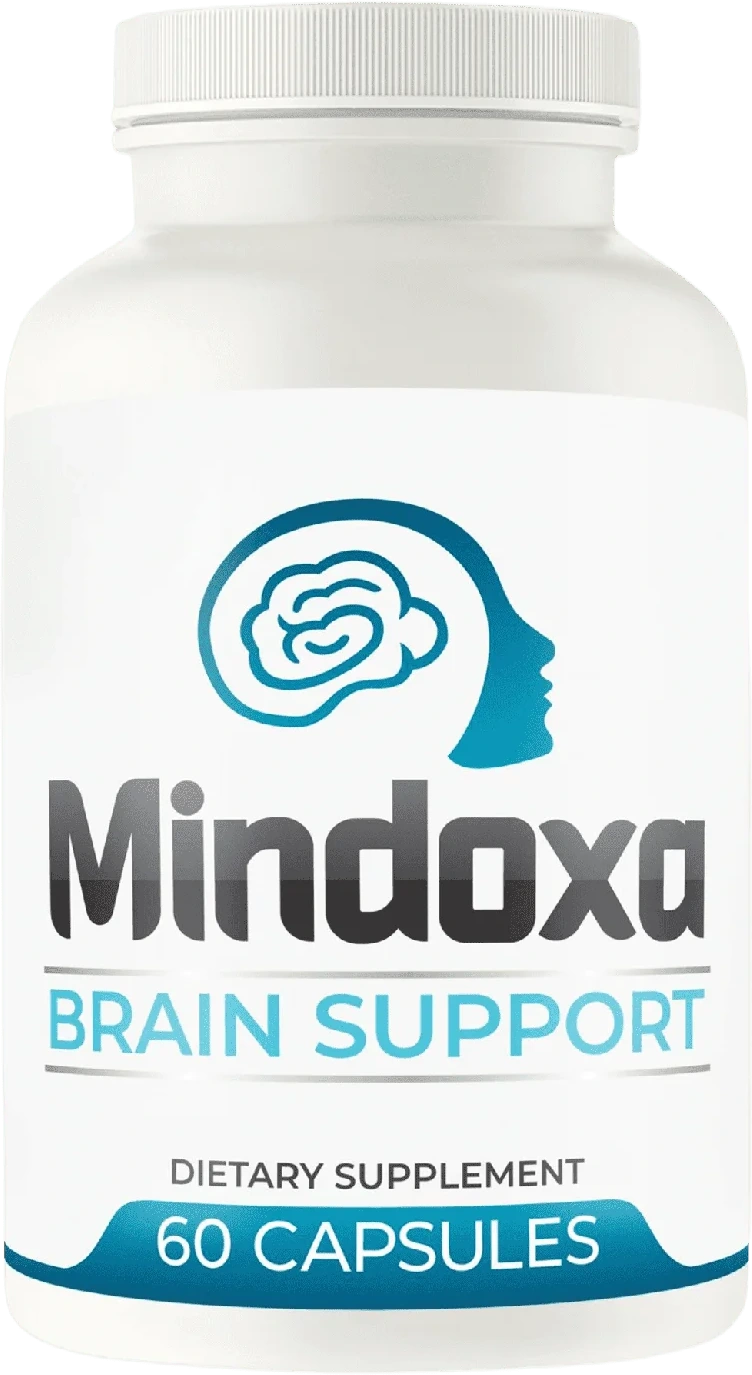
Mindoxa concentrates six functional mushrooms — a naturally rich source of ergothioneine and beta-glucans — into a once-daily capsule, backed by a 60-day guarantee.
See Mindoxa Packages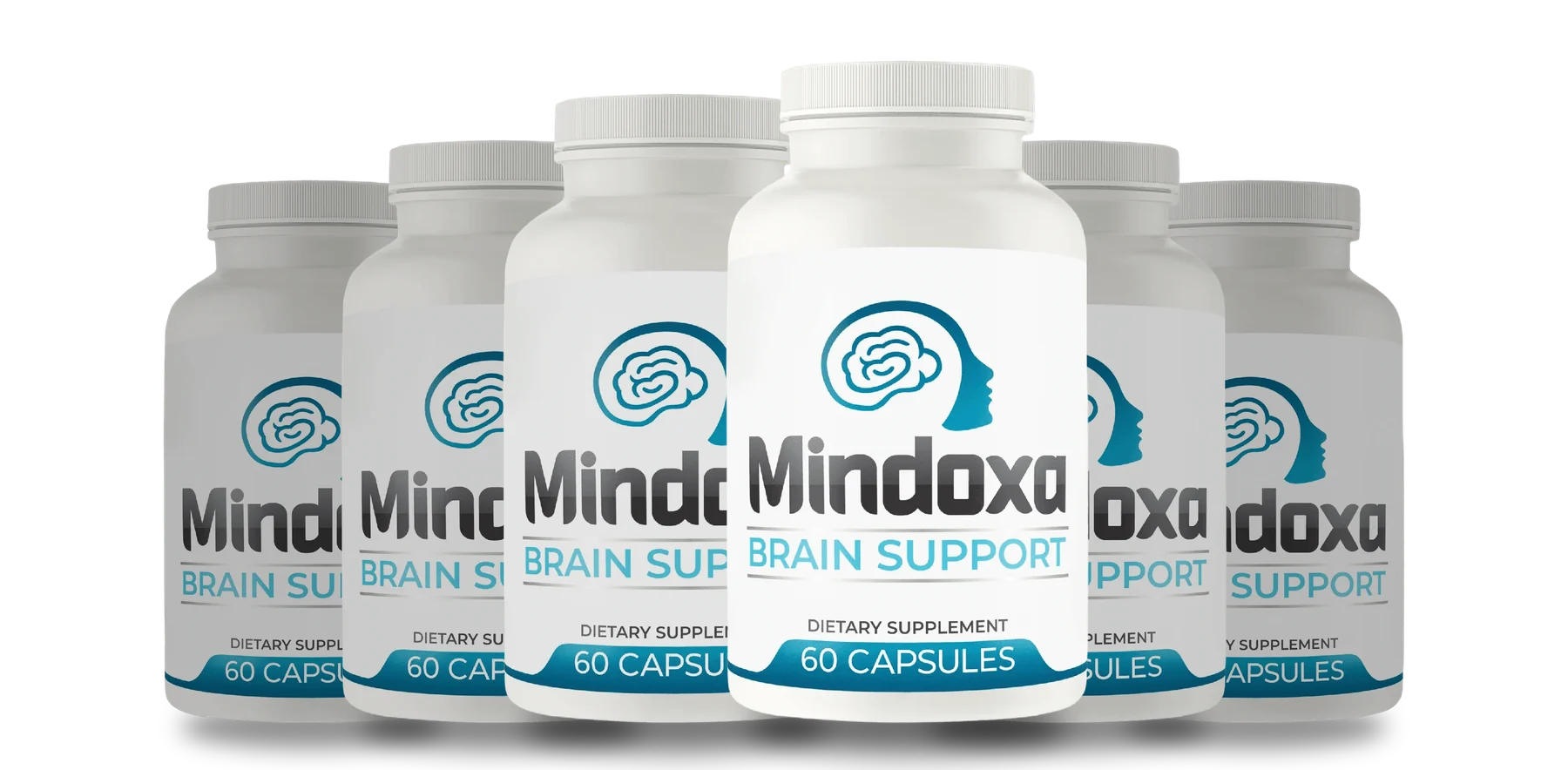
The good news is that raising your ergothioneine intake is refreshingly simple and food-first. A few practical pointers:
There is no official recommended intake for ergothioneine, and research into optimal amounts is ongoing, so the sensible goal is simply consistent, varied intake rather than chasing a specific number. As always, if you are pregnant, nursing, under 18 or taking medication, talk to your physician before starting any new supplement.
Ergothioneine is rarely listed as its own line item on a mushroom supplement, so you generally cannot shop for it by name. Instead, use the same quality signals that indicate a mushroom product was made well — because a well-made mushroom extract naturally carries ergothioneine along with everything else:
And if focus is your real goal, remember that ergothioneine is the antioxidant supporting cast — the headline cognitive mushroom is still lion’s mane. The two are complementary, which is exactly why they so often appear in the same blend.
Ergothioneine is unusual because the human body cannot make it, yet has evolved a dedicated transporter to take it up and hold on to it. That combination is the reason researchers keep returning to it. A 2023 review in the British Journal of Nutrition makes the case for treating it as an underrecognised dietary micronutrient rather than as one more antioxidant among many.
Mushrooms are the reason it reaches the plate at all. A 2017 study in Food Chemistry measured ergothioneine and glutathione across common species and found mushrooms to be by far the richest ordinary dietary source, with wide variation between species; earlier work in the Journal of Agricultural and Food Chemistry reached the same conclusion about dietary sources.
The ageing link is observational and should be described as such. A 2016 paper in Biochemical and Biophysical Research Communications reported that blood ergothioneine levels fell with age and were lower in people with cognitive impairment. That is an association in a cross-sectional sample, not evidence that supplementing raises cognition, and no one should read it as such.
Practically, that makes ergothioneine a good reason to eat mushrooms regularly and a poor reason to pay a premium for a capsule that shouts about it. The same principle applies to the antioxidant marketing around chaga and its ORAC scores.
Ergothioneine is one of the most compelling reasons to take mushrooms seriously as a food group. It is a diet-only antioxidant the body actively transports through a dedicated carrier and stashes in the tissues that need protection most — behaviour that has led some scientists to float the idea of a “longevity vitamin.” The evidence is still developing, so the honest framing is modest: ergothioneine is a valuable antioxidant nutrient, mushrooms are essentially the only rich dietary source, and getting a steady, varied supply is a smart, low-risk habit. Eat a range of mushrooms, keep the cooking liquid where you can, and — if convenience matters — let a concentrated blend like Mindoxa carry the load on the days your plate does not.
Ergothioneine is a naturally occurring, sulphur-containing amino acid that acts as an antioxidant. The human body cannot make it, so it must come from the diet. It is unusual because the body has a dedicated transporter that actively pulls it into cells and concentrates it in tissues under high oxidative stress, which suggests it plays a genuine physiological role.
Mushrooms and certain fungi are among the very few organisms that can synthesise ergothioneine, which makes them by far the richest dietary source. Specialty mushrooms such as oyster, shiitake, maitake and king oyster generally contain more than common white button mushrooms, though amounts vary by species and growing conditions.
Some researchers have proposed treating ergothioneine as a “longevity vitamin” because the body actively transports and retains it, and because dietary intake varies widely between people. That framing describes a scientific hypothesis about long-term health, not a proven claim. Ergothioneine is best thought of as an antioxidant nutrient obtained from food.
Ergothioneine is relatively heat-stable compared with many antioxidants, so a meaningful amount survives normal cooking. Because it is water-soluble, some can leach into cooking liquid, so methods that keep the liquid, like soups or stir-fries, help retain it. Cooking mushrooms is generally recommended anyway for digestibility.
There is no official recommended intake for ergothioneine, and research into optimal amounts is ongoing. The practical approach is to eat a variety of mushrooms regularly as part of a balanced diet. A functional-mushroom supplement can add convenient day-to-day support, but should complement food rather than replace it.
No. They are different kinds of compound. Beta-glucans are fibre-like polysaccharides tied to the immune and wellness reputation of mushrooms, while ergothioneine is a small antioxidant amino acid. A whole mushroom or a good extract can supply both, which is part of why functional mushrooms are valued for more than one reason.
The Mindoxa Research Team is a small group of nutrition writers, label analysts and wellness researchers who read the primary literature on functional mushrooms so you don't have to. We translate dense mycology and supplement-science papers into plain-English guides, and we update our articles as the evidence and the labels on the shelf change.
Everything we publish is independently written and fact-checked. We describe traditional and general use only — we do not give medical advice, and we always point you back to your own physician for anything specific to your health. Have a correction or a source we missed? Get in touch.
† These statements have not been evaluated by the FDA. This product is not intended to diagnose, treat, cure or prevent any disease. This article is for general information only and is not medical advice.