
| What it is | Chaga (Inonotus obliquus) is a birch-tree fungus traditionally brewed as a wellness tea across Siberia and Northern Europe. |
| Why it's known | Its reputation rests on a dense antioxidant profile — melanin, superoxide dismutase (SOD), phenolics and birch-derived triterpenes. |
| Sensible dose | Extract products often supply a few hundred milligrams to about a gram daily; consistency matters more than a single large serving. |
| On the label | Look for Inonotus obliquus, a hot-water or dual extract, and a stated beta-glucan percentage — not raw powder or a nameless ‘blend’. |
Among functional mushrooms, chaga is the odd one out. It does not look like a mushroom at all — it looks like a lump of burnt charcoal clinging to a birch trunk — and yet it has one of the oldest reputations of any fungus in the wellness world. This guide explains, in plain English, what the real chaga mushroom benefits are, which antioxidant compounds give it that reputation, how much people traditionally use, and how to tell a serious chaga extract from a bag of ground-up bark on the shelf.
Chaga (Inonotus obliquus) is a fungus that grows primarily on birch trees across cold northern forests — Siberia, Scandinavia, northern Canada and parts of the northern United States. What you actually harvest is not a soft, gilled mushroom cap but a hard, cracked, rust-and-black mass called a sterile conk or sclerotium. It is made largely of tightly packed mycelium mixed with pigment, and it slowly draws compounds out of the living birch it grows on over many years.
For centuries it was chopped, dried and simmered into a dark, coffee-coloured tea used as a general wellness tonic in traditional practice. That long history of everyday, food-like use is exactly why chaga sits comfortably alongside other functional mushrooms rich in beta-glucans in modern cognitive and wellness blends.
Here is where a little mechanism knowledge helps you shop smarter. Chaga's fame is built on a stack of compounds that work together, and understanding them tells you what a good extract should actually preserve:
It is worth being honest about the evidence. Much of the antioxidant data on chaga comes from laboratory and test-tube measurements (such as ORAC-style assays) rather than large human trials, so the responsible way to talk about chaga is in terms of traditional and general use and its measurable compound profile — not specific health outcomes. If you want the deeper science on the single most important of those compounds, our explainer on the mushroom antioxidant ergothioneine is a good companion read, and our piece on beta-glucans in functional mushrooms covers the polysaccharide side in full.
In folk practice and everyday modern use, chaga is associated with:
Notice what is not on that list: chaga is not a treatment or cure for any disease, and it is not a stimulant that will replace sleep. It is best framed as a food-derived antioxidant tonic that works alongside the fundamentals of good rest, movement and a varied diet rather than instead of them.
There is no single official chaga dose, and the number on a label only means something once you know the form. As a general orientation:
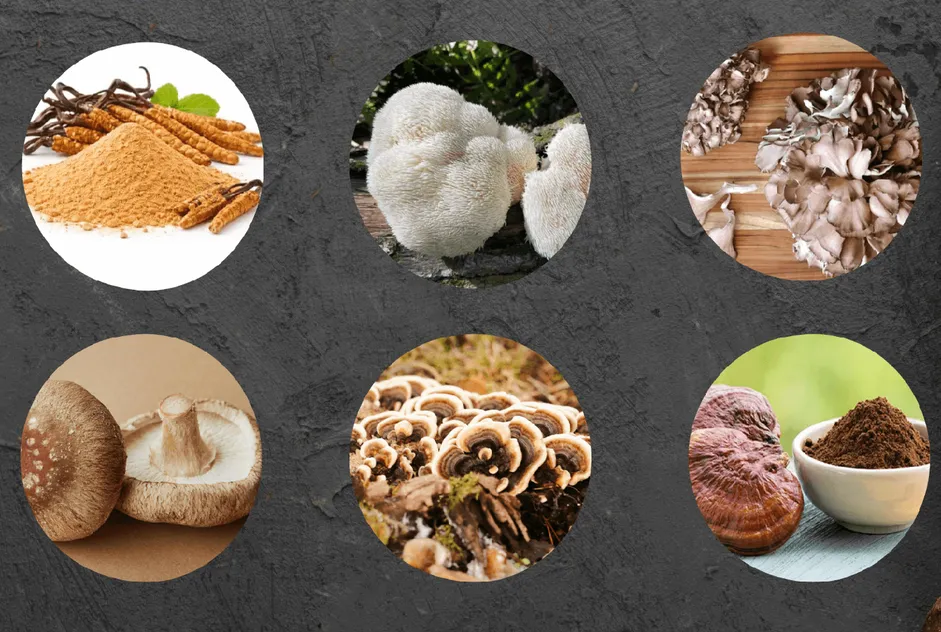
The single most useful habit is to follow the directions on your specific product label and to start at the lower end if you are new to functional mushrooms. If you would rather take a measured amount of chaga as part of a balanced daily blend, you can see how Mindoxa combines it with five other mushrooms instead of brewing tea every morning.
Chaga is naturally high in oxalates, a compound that some people need to limit. If you have a history of kidney stones or any kidney concern, this is a genuine reason to be cautious with concentrated chaga and to speak with your physician before using it regularly. It is also a practical argument for taking a sensible, labelled amount rather than sipping very strong chaga tea all day long.
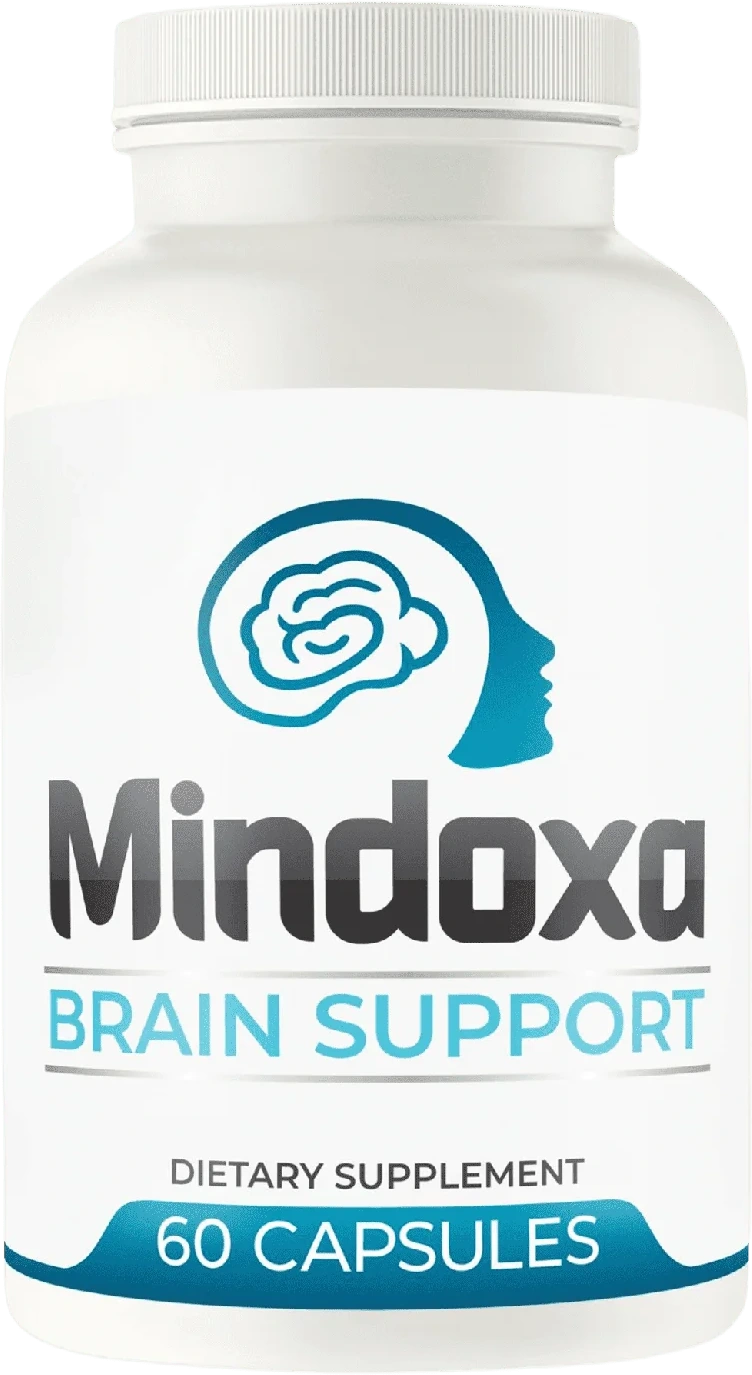
Mindoxa pairs functional mushrooms in a once-daily capsule with a stated blend and a 60-day money-back guarantee — no simmering conk on the stove.
See Mindoxa Packages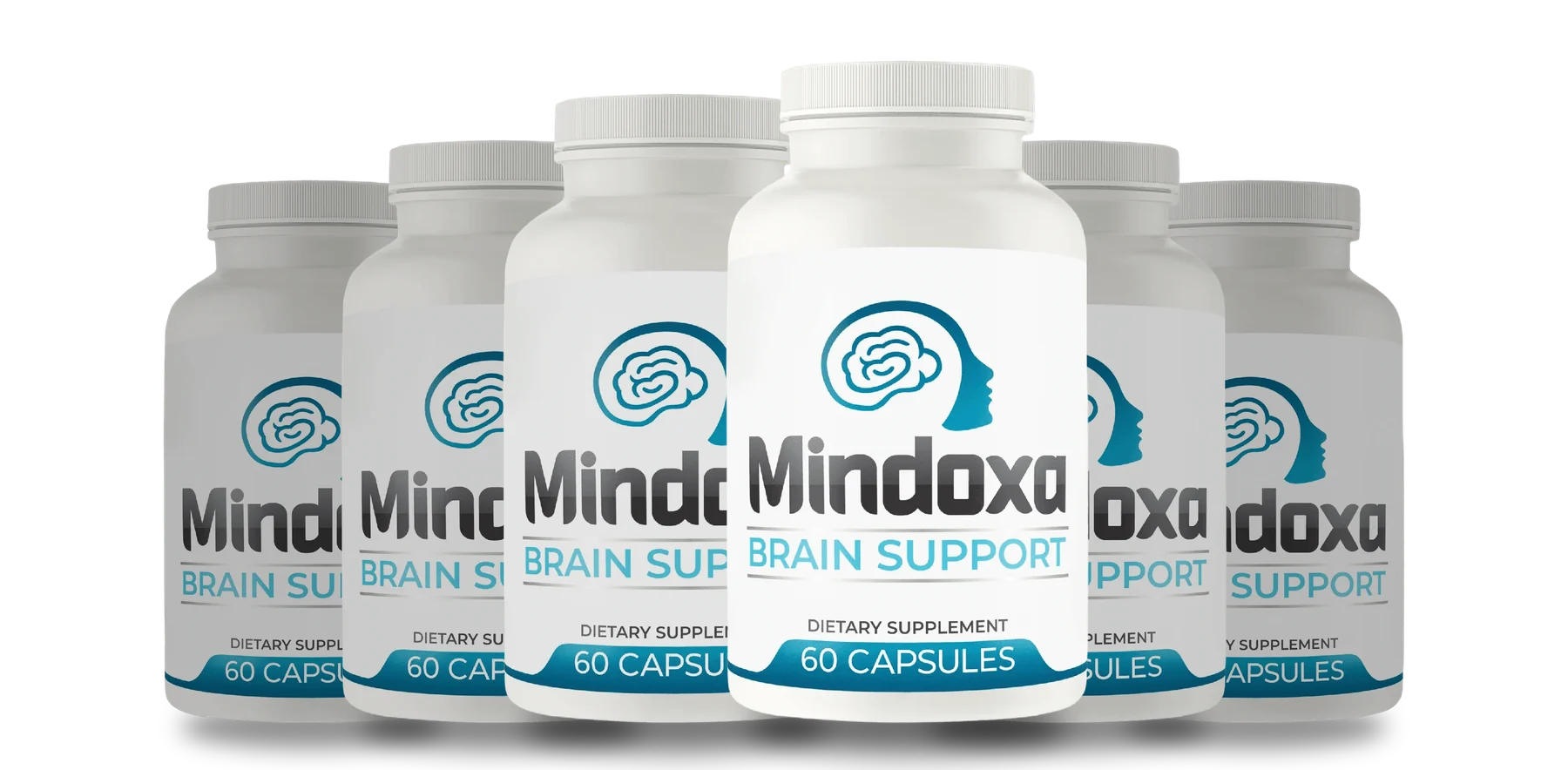
Because chaga is a sclerotium rather than a soft fruiting body, and because its actives sit inside a tough, woody matrix, how a product is made matters as much as which mushroom it names. When you read a label, look for:
If those terms are unfamiliar, our full walkthrough on how to read a mushroom supplement label decodes every line of a supplement facts panel.
Chaga is unusual among the functional mushrooms because the part harvested is not a fruiting body at all. It is a sclerotium — the hard, blackened, charcoal-like mass that forms on a living birch. That distinction matters chemically, because the antioxidant compounds are concentrated unevenly across it: a 2011 analysis in Phytochemical Analysis separated the metabolites of the sclerotium by solvent and found the profile differed sharply between fractions.
The antioxidant reputation itself rests on real chemistry. A 2005 study in the Journal of Ethnopharmacology reported antioxidant activity for Inonotus obliquus extracts, and a 2007 paper in Bioorganic & Medicinal Chemistry Letters isolated new antioxidant polyphenols from the same species. A 2024 review in Mycology on the therapeutic properties of Inonotus obliquus gathers this work in one place and is candid that most of it is in vitro.
That last point is why ORAC scores deserve scepticism. ORAC is a test-tube measure of how a substance behaves in a cuvette, not a measure of what happens in a person; the USDA withdrew its own ORAC database for exactly that reason. A very high ORAC figure on a chaga label tells you about the assay, not about you.
Finally, quality varies enormously. An analytical comparison of commercial chaga supplements published in the International Journal of Molecular Sciences in 2025 found substantial differences between products sold under near-identical descriptions — a good argument for reading the label carefully and for understanding functional mushroom side effects and safety before you buy.
Chaga earns its long-standing reputation honestly: it packs an unusual concentration of antioxidant compounds — melanin, SOD, phenolics and birch-derived triterpenes — on top of the beta-glucans every functional mushroom shares. The fair framing is that it is a traditional daily antioxidant tonic, most useful when it sits on top of good sleep, movement and nutrition, when you respect the oxalate consideration, and when you choose a properly extracted, well-labelled product. If you would rather not manage a jar of loose conk, a thoughtfully combined blend like Mindoxa puts chaga-style antioxidant support alongside five complementary mushrooms in a single daily capsule. Curious how the calming and focus sides of that blend work? Read our companion guides on reishi for stress and sleep and lion’s mane for memory and focus.
Chaga is traditionally used as a daily wellness tonic and is best known for its antioxidant profile. In folk practice across Siberia and Northern Europe it was brewed as a tea for general resilience. It is not a stimulant and is used as gentle, everyday support rather than a fast-acting remedy.
Chaga is rich in melanin (the pigment behind its black colour), the enzyme superoxide dismutase (SOD), phenolic compounds, triterpenes such as betulin and betulinic acid drawn from its birch host, and beta-glucan polysaccharides shared by all functional mushrooms.
There is no single official dose. Extract-based products commonly supply a few hundred milligrams to about a gram per day, while traditional tea uses larger amounts of raw material because it is far less concentrated. Follow your product label and start low if you are new to functional mushrooms.
Not in the usual sense. The black mass you see on a birch trunk is a sterile conk, a sclerotium made mostly of densely packed mycelium and melanin rather than a gilled fruiting body. That is one reason chaga is usually hot-water or dual extracted to concentrate its actives.
Yes. Chaga is naturally high in oxalates, so people with a history of kidney stones or kidney concerns should be cautious and speak with their physician before using it regularly. This is a good reason to follow label directions rather than brewing very strong tea all day.
Look for the Latin name Inonotus obliquus, an extract rather than raw ground powder, ideally a stated beta-glucan percentage, and a note about hot-water or dual extraction. Vague ‘mushroom blend’ wording with no species or extraction detail is a red flag.
The Mindoxa Research Team is a small group of nutrition writers, label analysts and wellness researchers who read the primary literature on functional mushrooms so you don't have to. We translate dense mycology and supplement-science papers into plain-English guides, and we update our articles as the evidence and the labels on the shelf change.
Everything we publish is independently written and fact-checked. We describe traditional and general use only — we do not give medical advice, and we always point you back to your own physician for anything specific to your health. Have a correction or a source we missed? Get in touch.
† These statements have not been evaluated by the FDA. This product is not intended to diagnose, treat, cure or prevent any disease. This article is for general information only and is not medical advice.