
| Fruiting body | The visible mushroom itself — the cap and stem. Generally higher in beta-glucans and the compounds most studied in functional mushrooms. |
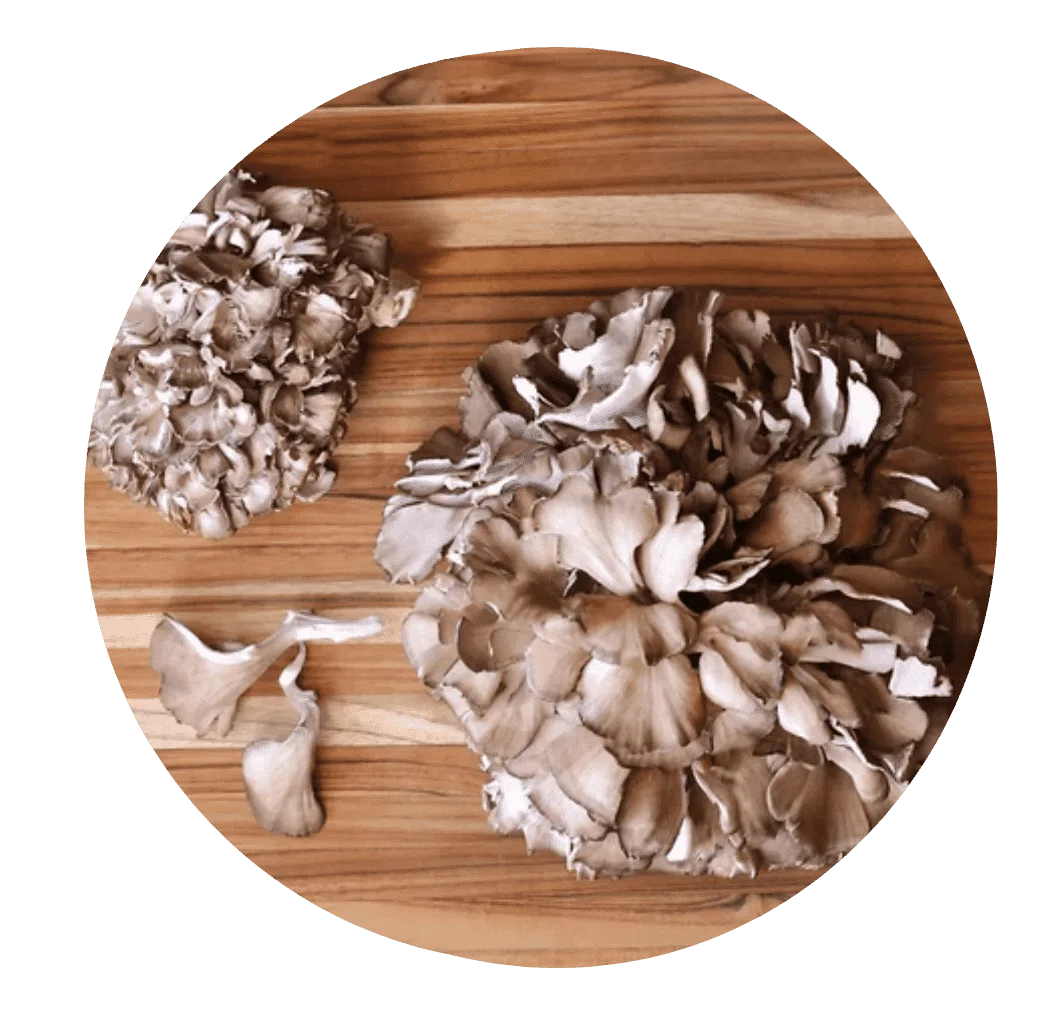
| Mycelium | The root-like network the mushroom grows from. In supplements it is often grown on grain and dried with it, which can dilute it with starch. |
| The key issue | ‘Mycelium on grain’ (also called MOG) can carry a lot of leftover starch, inflating ‘polysaccharide’ numbers without adding beta-glucans. |
| What to look for | A named fruiting-body extract with a stated beta-glucan percentage is the clearest signal of a quality product. |
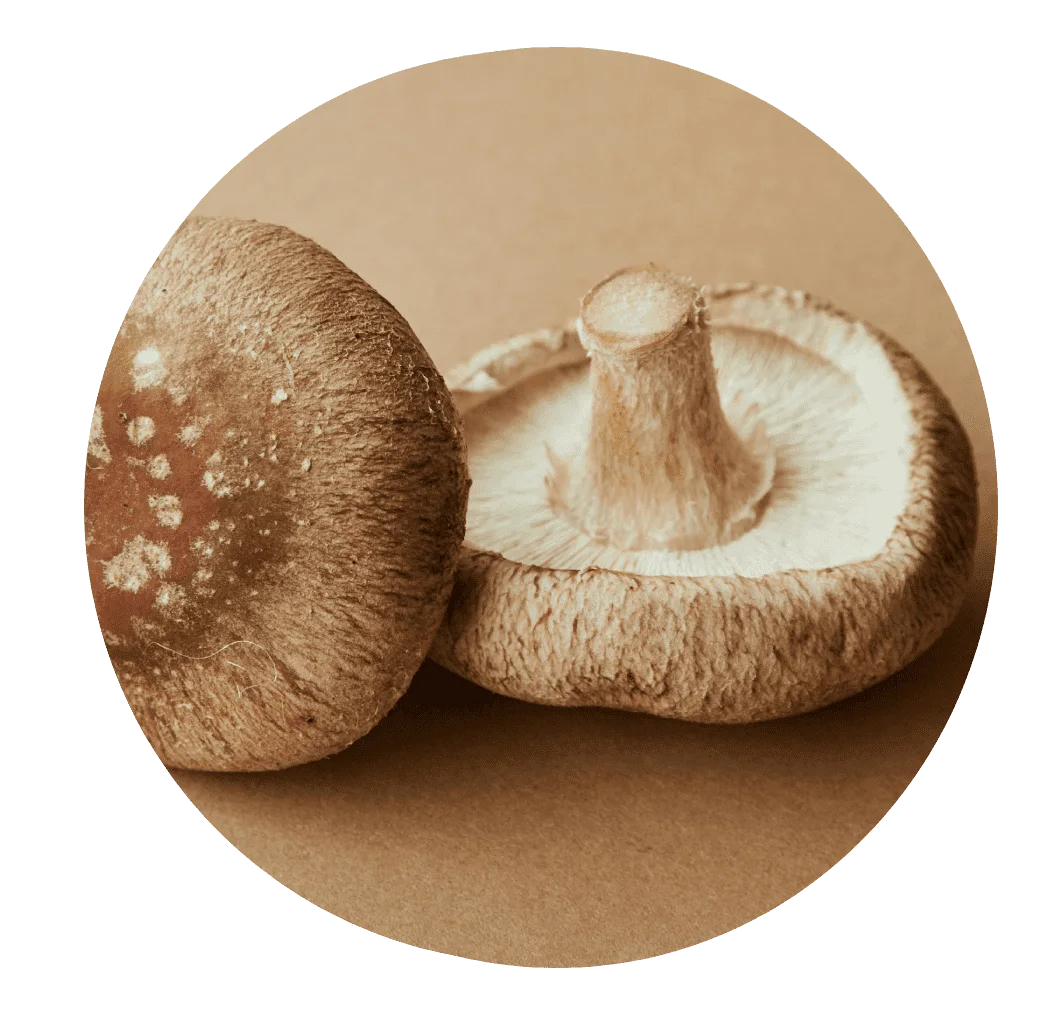
Of all the details on a mushroom supplement label, this is the one that separates informed buyers from everyone else: fruiting body vs mycelium. It sounds like a technicality, but it can be the difference between a jar of concentrated mushroom actives and a jar that is mostly leftover rice starch — sold at the same premium price. This guide explains what each part actually is, why the distinction matters so much for mushroom supplements, and exactly how to read a label so you know what you are paying for.
A mushroom is not really a single object; it is the visible tip of a much larger organism. Two parts matter for supplements:
If the beta-glucan story is new to you, it is worth reading our companion explainer on what beta-glucans in functional mushrooms are first, because the whole fruiting-body-vs-mycelium debate ultimately comes down to beta-glucan content and purity.
Here is the part the marketing rarely spells out. Growing full fruiting bodies takes time, space and skill. Growing mycelium is faster and cheaper — and the common industrial method is to grow it on a bed of grain such as rice or oats. So far, so reasonable. The problem comes at harvest: rather than separating the mycelium from its grain substrate (which is difficult, because the two are thoroughly intertwined), many products simply dry and grind the whole thing together — mycelium and the leftover grain.
The industry name for this is “mycelium on grain,” sometimes abbreviated MOG. The result is a powder that can be a large proportion starch by weight. That matters because starch is an alpha-glucan, not a beta-glucan — so a MOG product can boast a high “polysaccharide” number on its label while delivering relatively few of the mushroom beta-glucans you actually wanted. It is the single most common way a mushroom supplement looks impressive and underdelivers.
None of this means mycelium is a scam — it means you have to know what you are buying. A fair, honest comparison looks like this:
| Beta-glucan content | Fruiting body: generally higher. Mycelium-on-grain: often lower, and diluted by starch. |
| Starch / filler | Fruiting body: minimal. Mycelium-on-grain: can be a large share of the weight. |
| Cost to produce | Fruiting body: higher (slower to grow). Mycelium: lower (faster, cheaper). |
| Best-case use | Fruiting body: the default for most mushrooms. Mycelium: has merit for cordyceps militaris and some lion’s mane products. |
There are genuine nuances by species. Reishi’s prized triterpenes concentrate in the fruiting body, so fruiting-body extract is the clear choice there. Cordyceps is more nuanced — the cultivated CS-4 form is mycelium-based and has a long traditional track record, and Cordyceps militaris can be grown to a genuine fruiting body. And with lion’s mane, the fruiting body carries the hericenones while the mycelium carries the erinacines, so a case exists for valuing both. The through-line is the same: a quality brand tells you which part it used and backs it with a beta-glucan figure.
Mindoxa is built on clearly specified functional-mushroom extracts — six of them — so you are not left guessing whether you bought mushrooms or leftover grain. One daily capsule, backed by a 60-day guarantee.
See Mindoxa Packages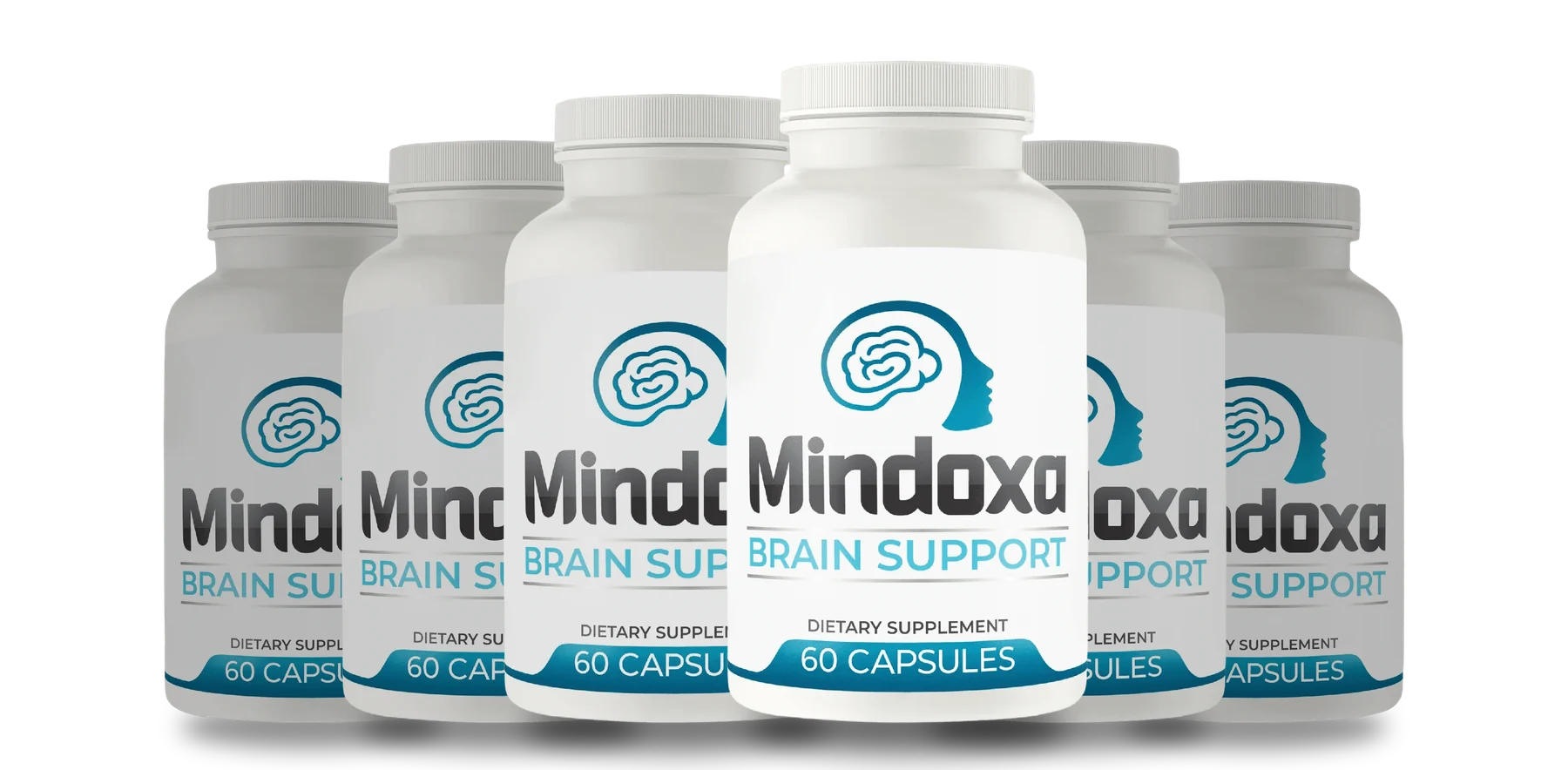
Put it all together and label-reading becomes a quick, five-point checklist:
Run any product past those five points and you will instantly separate the transparent brands from the ones hoping you will not ask.
The fruiting-body-versus-mycelium argument is usually settled with marketing copy. It is more useful to look at what analysts find when they actually test what is in the jar.
A 2025 comparative study of chaga dietary supplements in the International Journal of Molecular Sciences applied several complementary analytical techniques to commercial products and found wide compositional variation between supplements sold under near-identical descriptions — exactly the outcome you would expect when some products are concentrated fruiting-body extract and others are mycelium harvested together with the grain it grew on.
That is a labelling problem as much as a biology problem, and it is a documented one. A 2024 review in Critical Reviews in Food Science and Nutrition on label compliance and ingredient verification describes how often botanical supplement contents diverge from their labels and what testing approaches catch it. The measurable consequence for mushrooms is starch: grain substrate carries it, and every gram of starch is a gram that is not fungal beta-glucan, the compound class a 2021 review in Nutrients on edible mushrooms and beta-glucans identifies as the point of the exercise.
None of this makes mycelium worthless — erinacines, for instance, are concentrated in mycelium rather than in the fruiting body, and a 2024 paper on medicinal mushrooms as multicomponent mixtures argues that whole preparations should be judged as mixtures. It does mean a label that will not tell you which part it used has told you something. Before you commit to any of it, our guide to functional mushroom side effects and safety covers who should be cautious.
The fruiting-body-vs-mycelium question is not a nitpick — it is the fastest way to judge a mushroom supplement’s real quality. As a default, favour a clearly labelled fruiting-body extract with a stated beta-glucan percentage, and treat vague “mycelial biomass” or high “polysaccharide” numbers with healthy scepticism. Mycelium has its place for specific mushrooms, but only when the brand is transparent about it. Bring that label-reading habit to every jar you consider — and if you would rather buy from a formula that specifies its extracts up front, that is exactly what Mindoxa is designed to offer. To go deeper on the individual actives, see our guides to lion’s mane for memory and focus and beta-glucans in functional mushrooms.
The fruiting body is the visible mushroom — the cap and stem you would recognise — while the mycelium is the thread-like root network it grows from. In supplements, fruiting bodies are generally higher in beta-glucans and the studied active compounds, while mycelium is often grown on grain and can be diluted with leftover starch.
For most functional mushrooms, fruiting-body extracts are generally considered the higher-quality choice because they tend to be richer in beta-glucans and the compounds most functional-mushroom research focuses on. Mycelium is not worthless — and for a few mushrooms such as cordyceps militaris and lion’s mane it has specific merits — but ‘mycelium on grain’ products can be heavily diluted with starch.
Mycelium on grain (sometimes abbreviated MOG) means the mushroom’s root network was grown on a bed of grain such as rice or oats, then dried and powdered together with that grain. The result can contain a large proportion of leftover starch, which is why these products often report high 'polysaccharide' numbers that do not reflect true beta-glucan content.
Read the ingredient panel closely. Look for the words 'fruiting body' or 'mycelium', check whether it says 'grown on grain', and look for a stated beta-glucan percentage. If a label only says 'mushroom' or 'mushroom mycelial biomass' with no beta-glucan figure, treat that as a reason to dig deeper.
Mycelium grown on grain is faster and cheaper to produce than cultivating full fruiting bodies, which take longer and more care. That cost advantage is a legitimate reason it exists, but it also means shoppers need to read labels carefully so a cheaper input is not sold at a premium price.
It applies to most, but the nuances differ by species. Reishi’s prized triterpenes concentrate in the fruiting body, while cordyceps militaris and lion’s mane are cases where quality mycelium products can have real merit. The safest general rule is to prefer a clearly labelled fruiting-body extract with a stated beta-glucan percentage unless a brand explains a good reason otherwise.
The Mindoxa Research Team is a small group of nutrition writers, label analysts and wellness researchers who read the primary literature on functional mushrooms so you don't have to. We translate dense mycology and supplement-science papers into plain-English guides, and we update our articles as the evidence and the labels on the shelf change.
Everything we publish is independently written and fact-checked. We describe traditional and general use only — we do not give medical advice, and we always point you back to your own physician for anything specific to your health. Have a correction or a source we missed? Get in touch.
† These statements have not been evaluated by the FDA. This product is not intended to diagnose, treat, cure or prevent any disease. This article is for general information only and is not medical advice.