
| What it is | Dual extraction combines a hot-water extraction with an alcohol extraction of the same mushroom, then recombines them into one concentrated powder. |
| Why it exists | Some prized compounds (beta-glucans) dissolve in water; others (triterpenes, sterols) only dissolve in alcohol. One solvent alone leaves half the mushroom behind. |
| When it matters | Most for triterpene-rich mushrooms like reishi and chaga; less critical for beta-glucan-led mushrooms like turkey tail. |
| On the label | Look for a stated method, a named species, fruiting-body sourcing and a beta-glucan percentage — not just the words ‘mushroom complex’. |
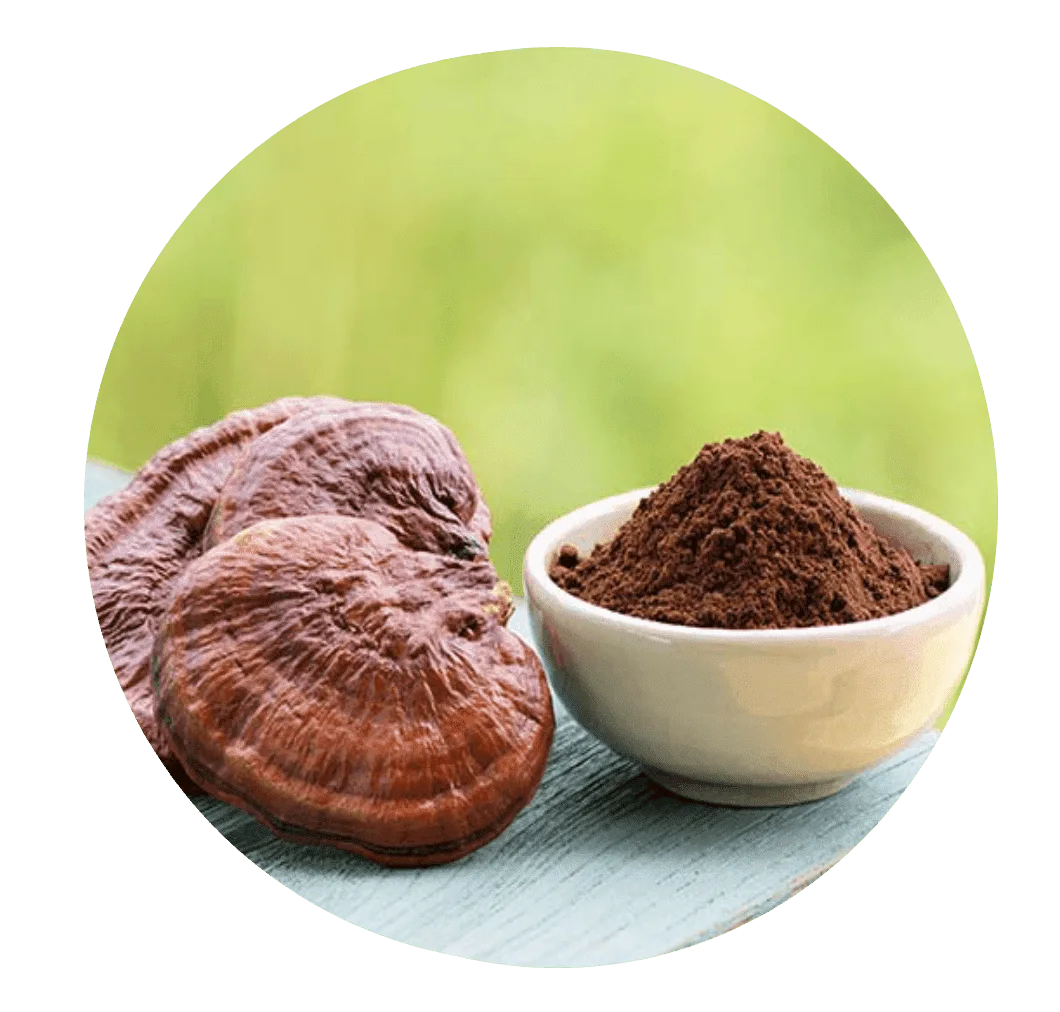
If you have ever compared two mushroom supplements and wondered why one costs three times as much as the other, the answer is often hiding in a single phrase on the label: dual extraction. It sounds like marketing jargon, but it describes a real and important step in how a functional mushroom becomes a usable supplement. Understanding dual extraction in mushroom supplements is one of the fastest ways to become a smarter shopper — because it tells you whether a product actually captured the compounds you are paying for, or simply ground up a mushroom and hoped for the best.
This guide explains, in plain English, what dual extraction is, the chemistry behind why it is sometimes necessary, when it genuinely matters (and when it does not), and exactly what to look for on a label so you are never fooled by a big number that means nothing.
Dual extraction is a two-stage manufacturing process. First the mushroom is simmered in hot water to draw out its water-soluble compounds. Separately — or in a second step — the same material is soaked in food-grade alcohol (ethanol) to draw out the compounds that do not dissolve in water. The two liquids are then combined, and the solvents are evaporated off, leaving a dry, concentrated powder that can be put into a capsule.
The reason this matters comes down to a simple fact of chemistry: a mushroom’s valuable compounds are not all soluble in the same thing. Try to capture everything with water alone, and you miss an entire family of actives. Use alcohol alone, and you miss another. Dual extraction is the manufacturer’s way of saying, “we captured both.”
Before we get to the two solvents, it helps to understand why extraction happens at all. Mushroom cell walls are built largely from chitin — the same tough, fibrous material found in the shells of crabs and insects. The human digestive system does not break chitin down efficiently. That is a problem, because a large share of a mushroom’s beta-glucans, the fibre-like compounds behind much of the category’s traditional wellness reputation, are locked inside those chitin walls.
Hot-water extraction works partly by rupturing that chitin, freeing the beta-glucans so your body can actually access them. This is why a well-made extract is usually far more concentrated, gram for gram, than raw “mushroom powder” that has simply been dried and milled. If you want the full story on those compounds and why the number on the label matters, we cover it in detail in our guide to what beta-glucans in functional mushrooms actually are.
Hot water is the classic, traditional way to prepare functional mushrooms — think of the centuries-old practice of simmering reishi into a bitter tea. It pulls out the water-soluble polysaccharides, most importantly the beta-glucans that so many mushroom benefits are associated with. For a great many mushrooms, a thorough hot-water extraction captures the bulk of what people are looking for. It also breaks down the chitin, as described above, which is a job alcohol cannot do on its own.
Here is the catch: some of the most talked-about mushroom compounds are not water-soluble at all. The triterpenes in reishi (the ganoderic acids responsible for its famously bitter taste) and various sterols and other lipophilic compounds simply will not come out in water. They need alcohol as a solvent. A product made with hot water alone will contain little to none of this fraction — which, for a mushroom like reishi, means leaving behind some of the very compounds it is prized for. This is exactly why reishi is the textbook case for dual extraction; you can read more about how those compounds fit into its traditional use in our reishi mushroom benefits guide.
This is the part most articles skip, and it is where a little mechanism knowledge saves you money. Dual extraction is not automatically “better” for every mushroom — it is better for the right mushrooms. The deciding question is always: where do this mushroom’s prized compounds live, and do they dissolve in water?
The practical takeaway: a brand that applies the appropriate method to each mushroom — rather than slapping “dual extracted” on everything as a buzzword, or extracting nothing at all — is showing you it understands its own ingredients. That thoughtfulness is exactly what we aim for in the six-mushroom Mindoxa formula.
Mindoxa brings lion’s mane, reishi, cordyceps and three more functional mushrooms together in a once-daily capsule — no bitter tea, no guesswork, backed by a 60-day guarantee.
See Mindoxa Packages
Because “dual extraction” is a genuine quality signal, some products claim it loosely. Here is how to read past the marketing and confirm you are getting real value:
If you would rather not audit a shelf of single-mushroom jars every time you shop, a well-formulated blend does that homework for you. Take a look at how Mindoxa is put together and compare it against the checklist above.
One common point of confusion: dual extraction and standardization are two different ideas, and a great product usually does both.
You can, in theory, dual extract a mushroom and still end up with a weak product if the raw material was poor. Conversely, a standardized beta-glucan number tells you about the polysaccharide fraction but says nothing about triterpenes. The strongest products pair an appropriate extraction method with verified results — method plus proof.
Dual extraction exists because the compounds people want from a mushroom do not all dissolve in the same solvent. That is a chemistry fact rather than a marketing position, and the literature is straightforward about it.
Beta-glucans are water-soluble, which is why hot water is the traditional route: a 2021 review in Nutrients on edible mushrooms and beta-glucans treats water-extractable polysaccharides as the category’s core fraction. Triterpenes are not. A 2020 study in PLOS ONE optimised the recovery of polysaccharides and triterpenoids separately from Ganoderma lucidum and measured how differently the two fractions respond to extraction conditions, while a 2025 analysis in the Journal of Pharmaceutical and Biomedical Analysis on the ethanol extract of the same species characterised the compounds alcohol pulls out.
A 2024 paper in Antibiotics makes the comparison directly, assessing ethanolic, aqueous and dual-solvent extracts of Ganoderma lucidum side by side — the clearest demonstration that the two solvents capture different material.
The practical upshot: dual extraction genuinely matters for reishi and chaga, where triterpenes and related compounds carry part of the interest, and matters far less for a mushroom valued mainly for its beta-glucans. It is a reason to pay more for some products and not others — and it is one more variable to weigh when comparing mushroom coffee against capsules. As always, read functional mushroom side effects and safety before starting.
Dual extraction is not a gimmick, but it is not a magic word either. It is simply the honest answer to a chemistry problem: a mushroom’s compounds do not all dissolve in the same solvent, so capturing the full picture sometimes takes two. For triterpene-rich mushrooms like reishi and chaga it is genuinely important; for beta-glucan-led mushrooms, a careful hot-water extraction may be all that is needed. The smartest thing you can do at the shelf is match the method to the mushroom, read for a named species and a beta-glucan percentage, and treat any product that hides its process with healthy suspicion. If you prefer a done-for-you approach, a thoughtfully built blend such as Mindoxa applies the right preparation to each of its six mushrooms so you do not have to become a part-time chemist to shop well.
Dual extraction is a two-step process that combines a hot-water extraction with an alcohol (ethanol) extraction of the same mushroom. Hot water pulls out water-soluble compounds such as beta-glucans, while alcohol pulls out compounds that do not dissolve in water, such as triterpenes and sterols. The two liquids are then recombined and dried so a single capsule reflects both fractions.
No. Dual extraction matters most for mushrooms whose prized compounds are not water-soluble, such as reishi and chaga, which are rich in triterpenes. Mushrooms valued mainly for their water-soluble beta-glucans, like turkey tail, are well served by a thorough hot-water extraction alone. The best method depends on which compounds you are trying to capture.
Mushroom cell walls are built from chitin, a tough fibre the human gut does not break down efficiently. Much of a mushroom’s beta-glucan content is locked inside those walls. Hot-water extraction helps rupture the chitin and free the active compounds, which is why a properly made extract is generally more concentrated than an equal weight of raw powder.
A quality label will usually say so plainly and may describe the method, for example “hot-water and alcohol dual extraction”. Look also for a stated extract ratio, a named species, whether the fruiting body or mycelium is used, and ideally a beta-glucan percentage. Vague terms like “mushroom complex” with no method or species are a red flag.
Not exactly. Dual extraction describes the method used to pull compounds out of the mushroom, while standardization describes guaranteeing a minimum level of a marker compound, such as a stated beta-glucan percentage. A strong product often does both: it uses an appropriate extraction method and then verifies the result with testing.
In a finished, properly manufactured extract the solvent is evaporated off during drying, so the capsule is a dry powder rather than a liquid tincture. If you are avoiding alcohol for personal reasons, check the product’s manufacturing notes or contact the brand, as practices vary.
The Mindoxa Research Team is a small group of nutrition writers, label analysts and wellness researchers who read the primary literature on functional mushrooms so you don't have to. We translate dense mycology and supplement-science papers into plain-English guides, and we update our articles as the evidence and the labels on the shelf change.
Everything we publish is independently written and fact-checked. We describe traditional and general use only — we do not give medical advice, and we always point you back to your own physician for anything specific to your health. Have a correction or a source we missed? Get in touch.
† These statements have not been evaluated by the FDA. This product is not intended to diagnose, treat, cure or prevent any disease. This article is for general information only and is not medical advice.